


The Penstock Method
We figure out what matters first, then build the right thing.
A good marketing project should not start with guessing, rushing, or throwing tools at the problem. Penstock starts by understanding what you are trying to fix, what your customers need to see, and what makes sense for your time, budget, and business.
Whether we are building a managed website, improving local visibility, planning a direct booking path, or creating supporting print and digital assets, the process stays practical: diagnose the problem, recommend the next right move, build what is needed, and keep it looked after.
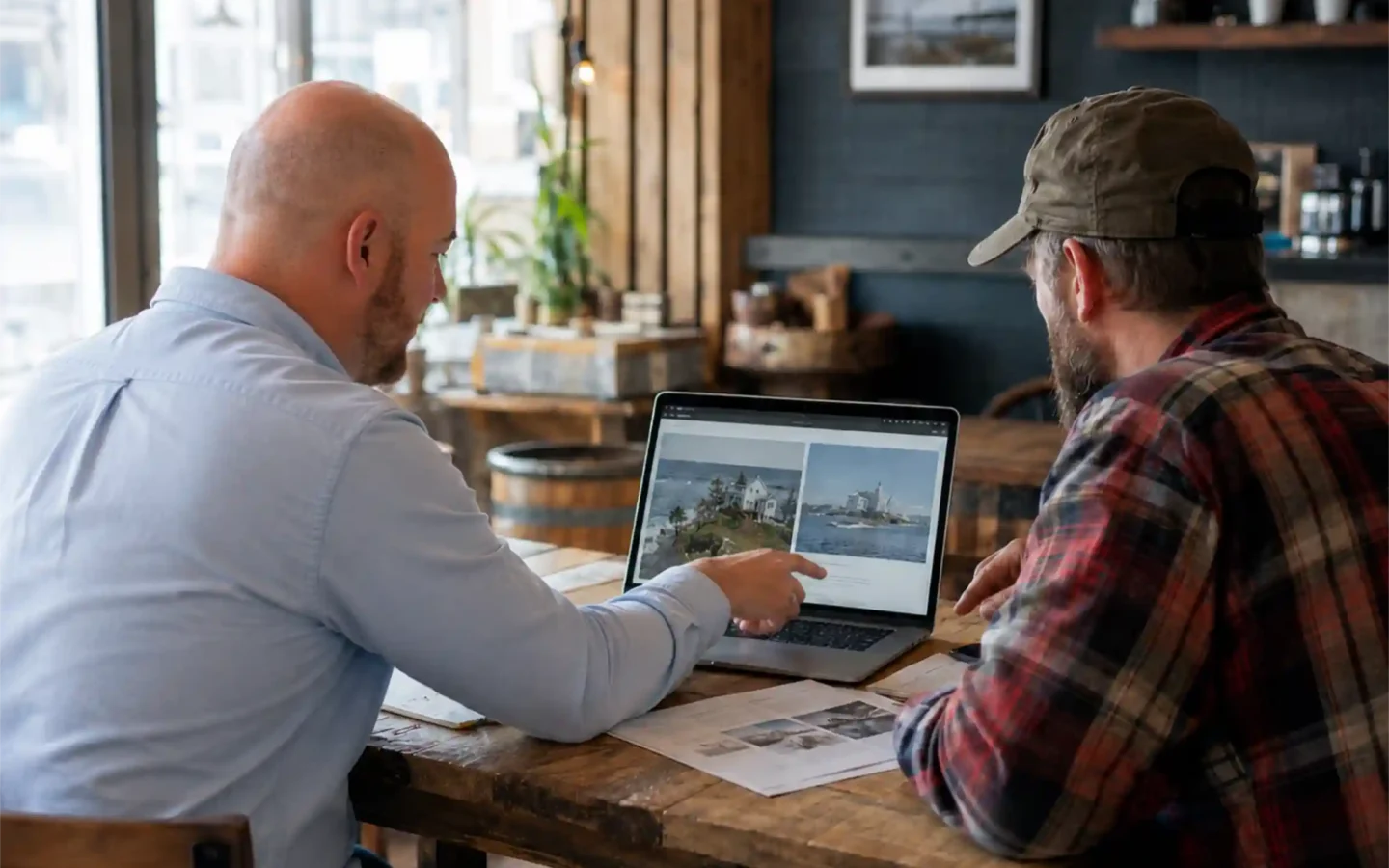
We learn what the problem really is.
The first step is a conversation. We look at where the business is now, what is working, what feels messy, and what you are hoping to improve.
This might include your current website, Google Business Profile, social presence, booking process, printed materials, customer questions, or anything else that affects how people find and choose your business.
- Current website and content
- Local search presence
- Customer questions and friction points
- Booking or inquiry path
- Trust signals and proof
- Available photos, copy, and business information
- Budget, timeline, and comfort with technology
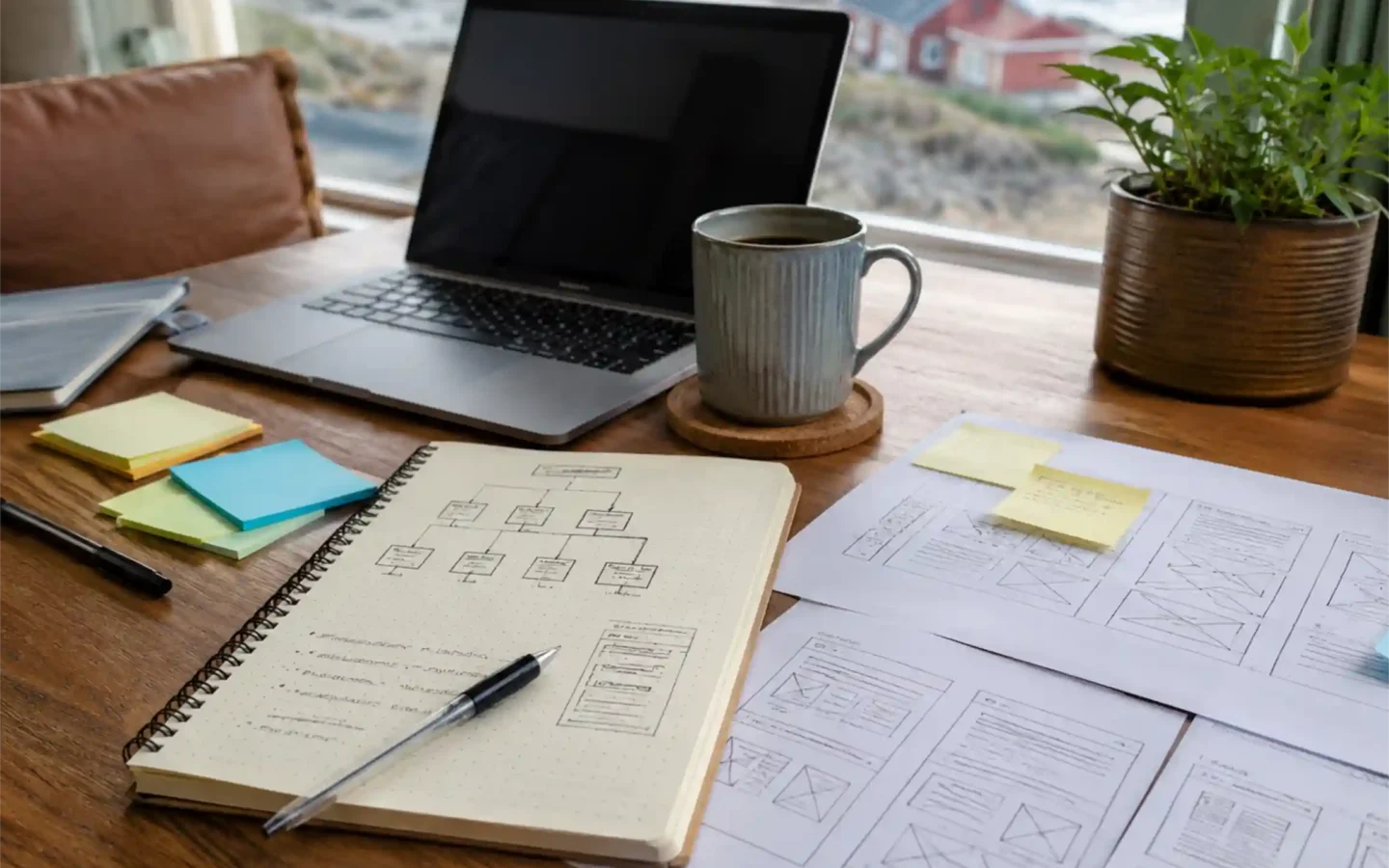
We map the simplest useful way forward.
Once the problem is clear, we recommend a practical path forward. Sometimes that means a managed website. Sometimes it means improving a few key pages, tightening up local visibility, building a better inquiry path, or creating supporting materials around the website.
The recommendation should match the business, not a prebuilt package forced onto every client.
- Website structure
- Page content plan
- Local visibility priorities
- Booking or inquiry path
- Photo and media needs
- Google Business Profile improvements
- Print or QR-supported guest information
- Ongoing support plan
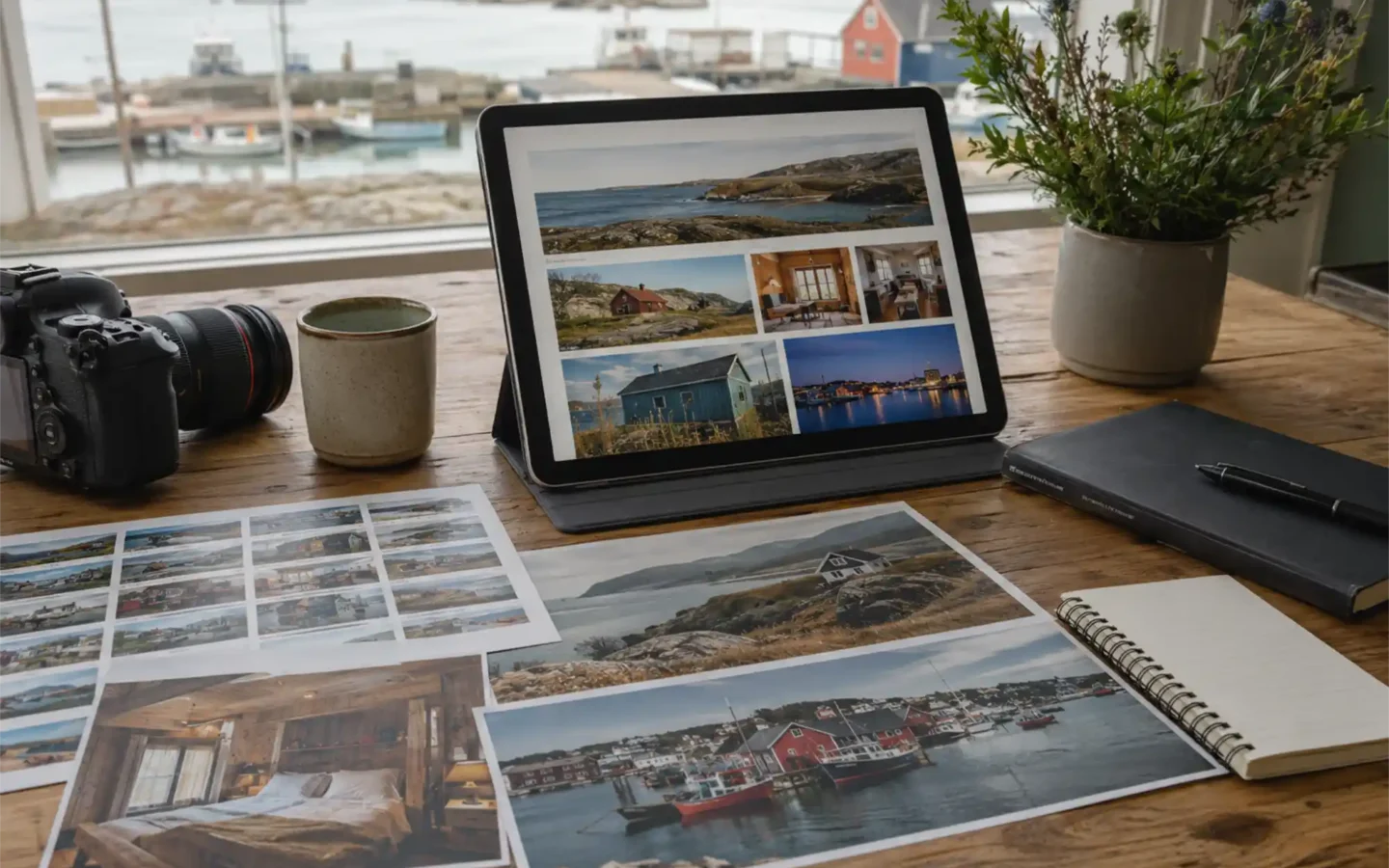
We create the pieces that support the plan.
After the direction is approved, we start building the pieces needed to make the plan real. That could include website pages, service sections, landing pages, forms, local visibility content, QR cards, guest information pages, print materials, or supporting graphics.
The focus stays on usefulness. Every asset should help customers understand the business, trust what they see, and take the next step.
- Website templates and page sections
- Copywriting and content cleanup
- Image selection and media preparation
- Forms and inquiry paths
- Service or room pages
- Local visibility assets
- Guest information materials
- Print and digital support pieces

We make sure it feels clear before it goes live.
Before anything launches or gets delivered, we review the work together. This is where we check the details, clean up rough spots, and make sure the project feels right for the business and useful for the people it is meant to serve.
The review process is not about endless tweaking. It is about making sure the message is clear, the layout works, the important information is easy to find, and the next step makes sense.
- Content accuracy
- Page flow
- Calls to action
- Mobile layout
- Forms and links
- Images and supporting assets
- Business details
- Trust signals
- Any missing information

We get it out into the real world.
Once the work is approved, we launch the website, publish the page, deliver the files, or put the supporting materials into use.
For websites, that means making sure the technical basics are handled properly: hosting, backups, SSL, updates, forms, page titles, redirects if needed, and the details that help the site work reliably.
- Website launch
- Domain and hosting checks
- Form testing
- Basic SEO setup
- Google Business Profile updates
- File handoff
- Print-ready files
- QR code testing
- Final review after publishing

We keep the important pieces looked after.
A website or marketing asset should not become another thing you have to worry about. After launch, Penstock can help keep the important pieces maintained, updated, and working properly.
That might mean website hosting and maintenance, small content updates, local visibility support, Google Business Profile updates, review support, seasonal changes, or checking what needs to be improved next.
- Website hosting and maintenance
- Software and security updates
- Small content changes
- Local visibility improvements
- Google Business Profile support
- Seasonal content updates
- Review and reputation support
- Performance checks
- Planning the next improvement